
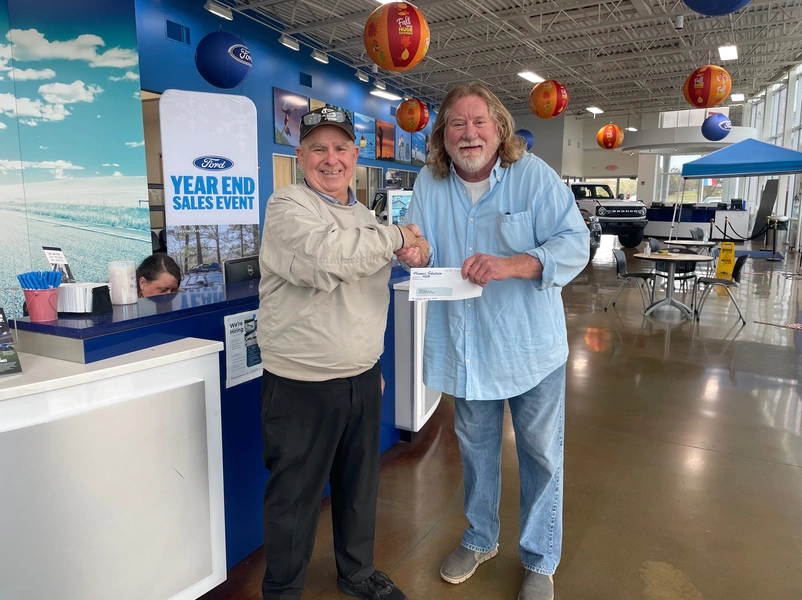
Referral programs are the automotive world's version of "bring-a-friend" coupons — useful, slightly social, and capable of shaving enough off the bottom line to buy a tank of gas. When a new-car purchase comes with a referral bonus, a quick set of checks separates genuine savings from smoke-and-mirrors incentives.
Confirm the source and authorization. Verify that the referral originates from an authorized channel: a manufacturer program, an approved dealer salesperson, or a reputable third-party platform tied to the OEM. Unauthorized referral links or cash-back promises from unknown sources often evaporate at signing or trigger compliance headaches later.
Read the fine print like a pro. Referral credits can take many shapes — dealer invoice credit, manufacturer rebate, reduced APR, or a direct payment to the referrer. Each has different value at the time of purchase. Confirm whether the credit is deducted from the purchase price, applied after delivery, or paid separately to the referrer. Look for blackout dates, model restrictions, and stacking rules that limit combining referral credits with other incentives.
Check stacking rules and timing. Manufacturer incentives, dealer discounts, loyalty rebates, and referral bonuses can sometimes be stacked, but not always. Timing matters: month-end, quarter-end, and model-year clearouts often unlock extra flexibility. Confirm the exact effective date for the referral and whether it's still valid at delivery.
Get it in writing. Verbal promises vanish at the finance desk. Demand written confirmation of the referral amount, how it will be applied, and any conditions. Include the VIN or stock number if the offer is tied to a specific vehicle so the credit cannot be shifted later.
Verify dealer and finance practices. Dealers can advertise referral-driven discounts but recoup margin through add-ons, documentation fees, or marked-up financing. Compare the out-the-door price, including fees and interest, with and without the referral. Use invoice guides and recent transaction data to check if the claimed savings are genuine.
Check for fraud and privacy pitfalls. Referral programs sometimes request personal details for tracking. Confirm minimal required data and a secure channel. Avoid sharing full banking details or signing forms that give open authorization to charge or alter contracts.
Use the VIN as a truth serum. If the referral ties to an in-stock vehicle, ask for the VIN. The VIN confirms factory options, delivery status, and whether dealer-installed accessories are inflating the price. A VIN also helps confirm that the referral applies to the exact car arriving on the lot.
Understand tax and rebate treatment. Some rebates and referral payouts can affect sales tax calculations or be treated as income for the referrer. Confirm local tax treatment and whether incentives reduce taxable price or appear as post-sale payments.
Industry insight. Referral programs lower customer acquisition cost and build dealer loyalty, but they are a marketing tool, not a guarantee of the lowest net price. Manufacturers control many incentives and sometimes channel them directly to dealers, who then decide how to present savings. Savvy shoppers compare total out-the-door numbers, not just headline referral amounts.
Final lap. Treat referral offers as a welcome advantage, not a substitute for negotiation. With written confirmation, VIN checks, clear stacking rules, and a careful look at financing and fees, a referral can be the cherry on top — not the shell game under the hood.
If you have any questions or would like help exploring your options, I’d be happy to help. Feel free to reach out anytime for more information or to take the next step when you’re ready.
Albert Matthews
(901) 692-3496
Homer Skelton Ford